
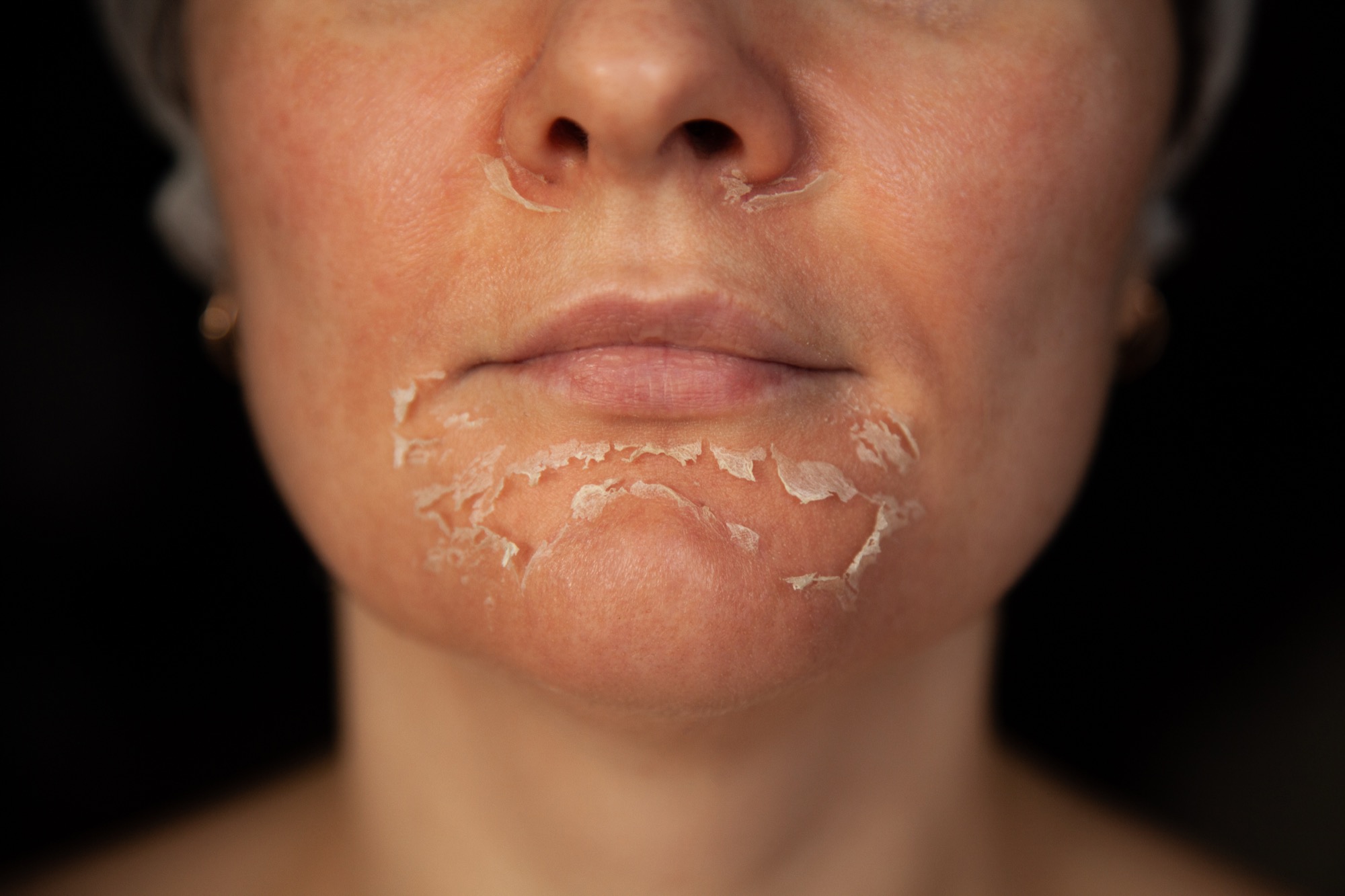
A laser resurfacing session, a medium-depth peel, microneedling — the results people want from these treatments all arrive the same way: your skin heals, and rebuilds collagen while it does. That's not a side effect of the treatment. It is the treatment. Each one is a controlled injury designed to trigger repair.
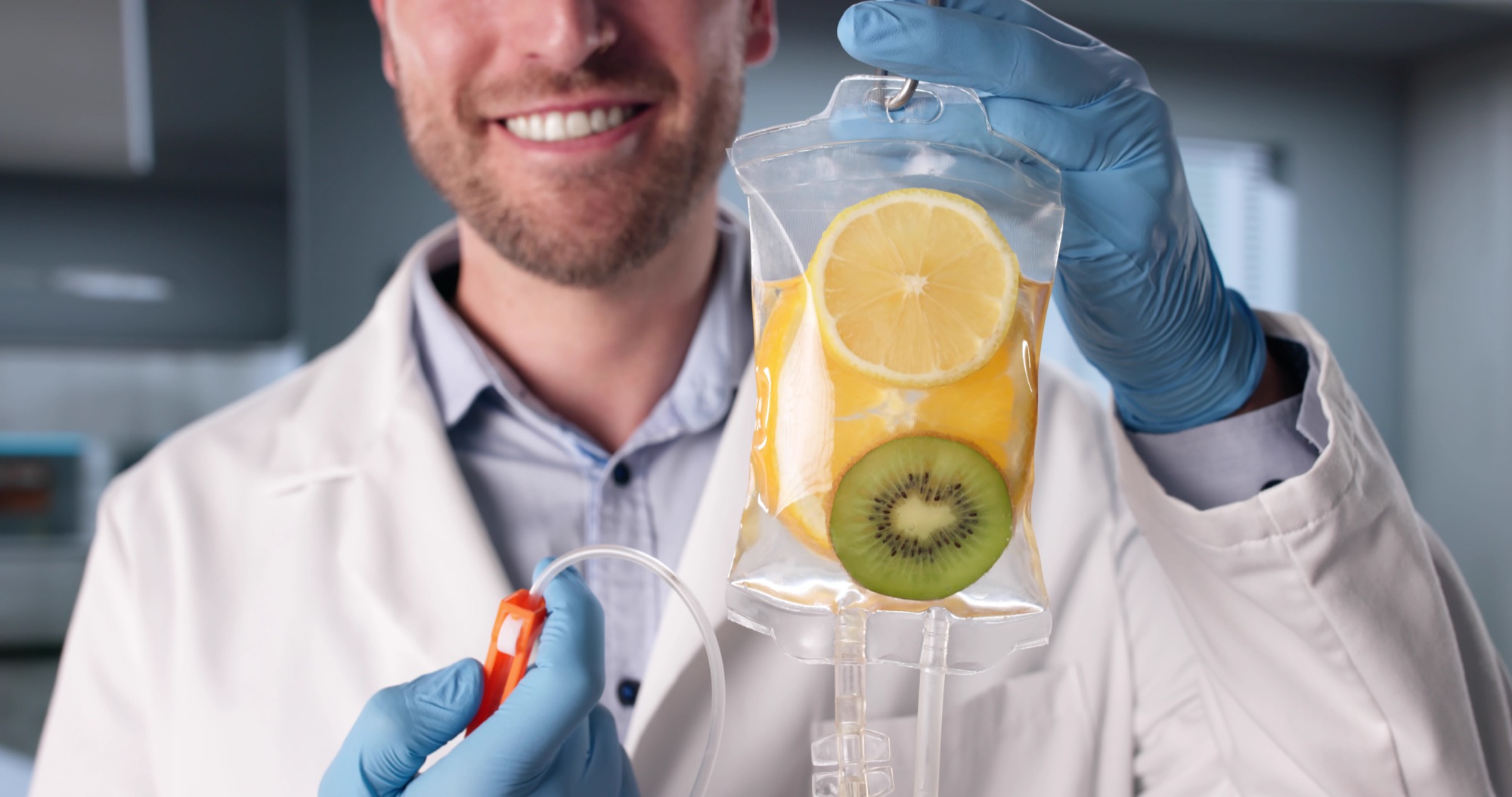
So it's a reasonable question, and one clinics get asked constantly: if a procedure works by making your body heal and build collagen, can an IV drip of the nutrients that healing uses make that recovery go better? The honest answer is more interesting than either the marketing version ("yes, absolutely, book the package") or the cynical version ("it's all hype"). Here is what the science actually supports.
Healing and collagen run on specific nutrients
Wound healing isn't vague. It's a biochemical process with a materials list, and some of those materials are the exact vitamins and minerals that show up on an IV menu.
Vitamin C is the standout. It's a required cofactor for collagen synthesis — the enzymes that stabilize new collagen literally cannot do their job without it, which is why vitamin C deficiency (scurvy) causes wounds to reopen and healing to stall.[1] Skin normally holds high concentrations of vitamin C, it's consumed rapidly at a healing site, and it also supports the fibroblasts that lay down new tissue.[2] After a resurfacing treatment, when your skin is being asked to rebuild in earnest, that demand is real.
Other building blocks matter too. Zinc is required for the enzyme activity and cell division that repair depends on; amino acids are the raw protein a rebuild is made from; and adequate hydration keeps the whole system perfused. None of this is exotic — it's the established nutritional floor for healing well.
Where the honest limit is
Here is the part the marketing tends to skip, and it's the most important sentence in this guide: being deficient in these nutrients clearly impairs healing — but topping up beyond what your body already has has not been shown to speed healing in a well-nourished person.
The distinction is everything. If you're short on vitamin C, protein, or fluids, correcting that removes a real brake on recovery. If your levels are already adequate, flooding the system with more vitamin C doesn't push collagen synthesis into overdrive; the research on wound healing doesn't support the idea that extra beyond sufficiency accelerates closure in otherwise healthy people.[2] So the reasonable claim isn't "an IV makes your laser work better." It's "an IV can make sure a nutritional shortfall isn't quietly holding your recovery back — and can keep you hydrated and comfortable while you heal."
That's a smaller promise than the packages imply. It's also a true one, which is the point.
So what's the reasonable role?
Framed honestly, IV therapy around a procedure does a few things worth valuing:
Insurance against a shortfall. If your diet, a restrictive eating window, or a rough week has left you low on the nutrients healing needs, an infusion closes that gap directly and quickly — useful precisely when you've scheduled a treatment that will draw on them.
Hydration, reliably. Good tissue perfusion is unglamorous and genuinely helpful, and a hydration drip delivers it without depending on whether you remembered to drink water.
Comfort and steadiness. Feeling depleted the day of or after a treatment is common; fluids and B vitamins can help you feel more like yourself while your skin does its slower work.
A supported systemic backdrop. NAD+ therapy and amino-acid formulas are sometimes chosen by people focused on recovery and performance more broadly — reasonable as part of a bigger plan, with the same caveat that the human evidence is still developing.
What it is not
It's worth being just as clear about the claims to be skeptical of. An IV drip does not:
Replace the treatment or the aftercare. Sun protection, gentle wound care, and following your provider's instructions do far more for your result than any infusion.
Guarantee faster healing. Recovery time is driven mostly by the depth of the treatment, your skin, and your baseline health — not by a bag.
Fix a poorly chosen or poorly performed procedure. No nutrient corrects for the wrong device or wrong settings. The treatment itself is where the result is won.
If a clinic sells you an IV as the thing that will "supercharge" your laser, that's the moment to ask for the evidence. A good one will give you this same honest picture instead.
The sensible way to think about it
Elective and laser procedures ask your body to heal and rebuild on schedule. The nutrients that work supports are real, specific, and worth not being short on. An IV is one efficient way to make sure you aren't — and to stay hydrated and comfortable through the process. That's a supporting role, played well, and it's most valuable decided alongside the clinician who's actually performing your treatment, so the whole plan fits together rather than being sold in pieces.
References
Bikker A, Wielders J, van Loo R, Loubert M. Ascorbic acid deficiency impairs wound healing: the underlying biochemistry. Reviewed in: Moores J. Vitamin C: a wound healing perspective. Br J Community Nurs. 2013;Suppl:S6–S11.
Pullar JM, Carr AC, Vissers MCM. The roles of vitamin C in skin health. Nutrients. 2017;9(8):866. See also the Linus Pauling Institute (Oregon State University), "Vitamin C and Skin Health."